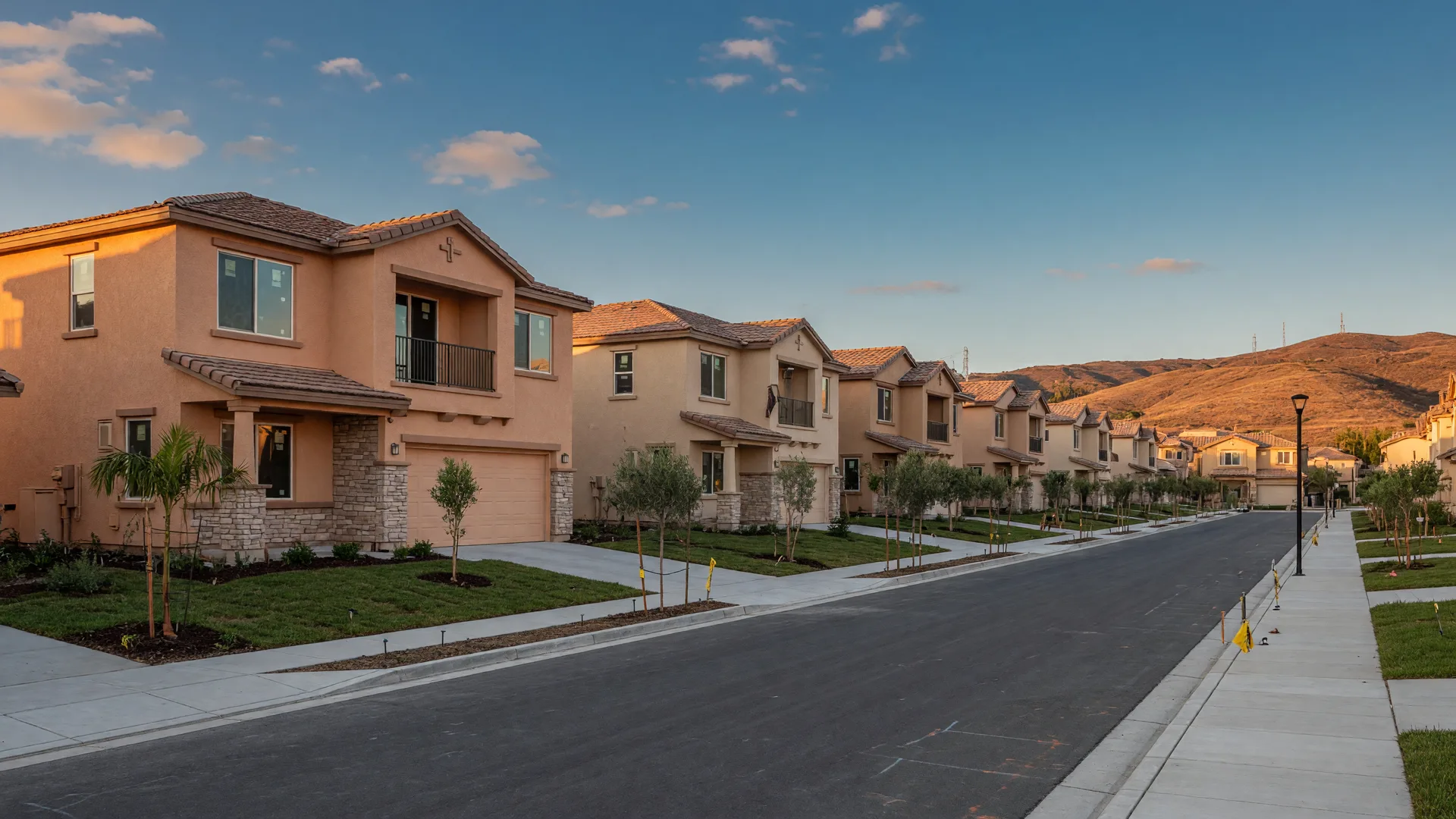
California New-Home Construction Timeline
By JC Pacific Corp Published 2026-09-01 Last professionally reviewed: September 2026
A California production home can take several months or longer to complete, but there is no universal timeline. Permits, site work, weather, labor, inspections, utility connections, materials, design changes, and builder scheduling can all affect delivery.
What are the typical construction stages?
The sequence commonly includes:
- 1. Permits and site preparation
- 2. Foundation
- 3. Framing
- 4. Roofing and exterior work
- 5. Rough plumbing, electrical, and mechanical systems
- 6. Insulation and drywall
- 7. Cabinets, counters, flooring, and finishes
- 8. Fixtures and appliances
- 9. Municipal inspections
- 10. Builder quality review
- 11. Buyer inspections and walk-through
- 12. Final approval and closing
Stages may overlap or occur in a different order.
Why can completion dates move?
Common causes include weather, material shortages, subcontractor scheduling, change orders, utility delays, government inspections, site conditions, and correction work. Buyers coordinating a lease expiration or home sale should maintain a backup plan.
Frequently Asked Questions
When should I schedule movers?
Avoid irreversible moving plans until the builder and escrow provide reliable closing information. Even then, retain flexibility.
Can I visit during construction?
Only according to builder rules. Active sites contain hazards, and unauthorized entry may be prohibited.
When should I lock my mortgage rate?
Discuss timing and extension costs with the lender. A construction delay can outlast a rate-lock period.
Educational information
This content is for general educational purposes and is not legal, tax, appraisal, lending, construction, engineering, inspection, insurance, investment, or financial advice. New-construction contracts, builder policies, deposits, rate-lock terms, warranties, inspection access, delivery dates, and financing programs vary by builder, project, lender, and jurisdiction and change frequently. These articles do not guarantee completion dates, rental income, property value, financing, or construction costs, and a statement about a lot, view, orientation, or premium is not a promise that any feature will increase value. Review the actual builder contract, option and selection documents, loan disclosures, and applicable law, and verify current rules with the jurisdiction or agency having authority. Consult appropriately licensed legal, tax, lending, appraisal, inspection, engineering, and construction professionals regarding a specific transaction.
Next step: Request written progress updates, understand how the contract handles delays, and maintain contingency plans for housing, storage, rate locks, and moving.
Related guides
All 25 guidesPut this guide to work
The next step is a conversation with a local agent.
JC Pacific Corp is an Irvine-based Southern California brokerage helping buyers navigate offers, escrow, and financing. Tell us what you are looking for and we will point you to current options across the region.
A note on legal advice: These guides provide general, educational information about California real estate practice. They are not legal advice and do not create an attorney-client relationship. Mortgage information is general education, not individualized lending, tax or legal guidance. For advice about your specific offer, contract, closing or financing, consult a qualified California real estate attorney and a qualified mortgage professional.
A note on these new-construction guides: These articles provide general, educational information about buying a newly built home in California, including builder pricing and lot premiums, upgrades and design selections, deposits, construction timelines, financing and rate locks, appraisals, inspections, and the walk-through and punch list. They are not legal, tax, appraisal, lending, construction, engineering, inspection, insurance, investment, or financial advice, and they do not create a builder, lender, contractor, inspector, engineer, attorney, or appraiser relationship with the brokerage. Builder contracts, option and selection documents, deposits, rate-lock terms, appraisal procedures, warranties, punch-list obligations, and delivery timelines vary by builder and project and change frequently. These guides do not guarantee completion dates, rental income, property value, financing, or construction costs, and no statement about a lot, view, or premium is a promise that any feature will increase value. Verify current rules with the jurisdiction or agency having authority and consult appropriately licensed legal, tax, lending, appraisal, inspection, engineering, and construction professionals regarding a specific transaction.