
25 plain-English articles · Last reviewed September 2026
Selling and Buying a California Home at the Same Time
Selling one California home while buying another means coordinating two contracts, two escrows, financing, possession, and a moving plan at once. This guide collects 25 plain-English articles that walk through the whole process: choosing the right order, financing the transition, coordinating the two closing calendars, applying sale proceeds, handling rent-backs and possession, planning the move, and a complete checklist. No single sequence fits every family, so the articles focus on the decisions, contract terms, and backup plans that matter most.
Every article in this guide keeps the same ground rules. There is no universally correct order for selling and buying at the same time: the right sequence depends on your equity, cash reserves, loan qualification, risk tolerance, and whether you can carry two properties temporarily. Brokerage compensation is negotiable and governed by written agreements. Contingencies, deposit rights, and possession terms depend on the exact language of the signed contracts and the applicable deadlines. Closing, recording, and possession are distinct events and are never interchangeable. A rent-back is never automatic or risk-free and must be put in writing, with lender and insurance requirements confirmed. Neither the sale price nor any closing date is guaranteed, and financing, tax, and legal outcomes should always be confirmed with the qualified professionals on your transaction. School information should be verified with the relevant school district directly. These guides are general education, not legal, tax, lending, insurance, or financial advice. Direct your own questions to a qualified California real estate attorney, a CPA, a mortgage professional, an insurance professional, or other specialists as appropriate, and treat Property DNA research as one optional supporting resource under our services, not as a title search, disclosure form, or replacement for escrow and title work.
Choosing the right sequence
Whether you sell first, buy first, or overlap them, the sequence shapes your financing, your offers, and your risk. Compare the orders and pick one that fits your equity and timeline.
Financing the transition
Between two homes, financing may need to span a gap. Compare bridge financing and a home equity line of credit, including the costs, repayment, and qualification risks to review.
Coordinating two escrows
Two contracts mean two closing calendars, two escrow teams, and a web of deadlines. Learn how contingencies and timing work when the sale and the purchase depend on each other.
Sale proceeds and closing
The money you can use from your sale is net proceeds, not the sales price. Understand what is deducted, how funds move, and how proceeds can fund the next purchase.
Rent-backs and possession
When closing dates do not align, a written seller possession or rent-back arrangement may bridge the gap. Review what it must cover and what happens if a seller does not leave on time.
Moving and temporary housing
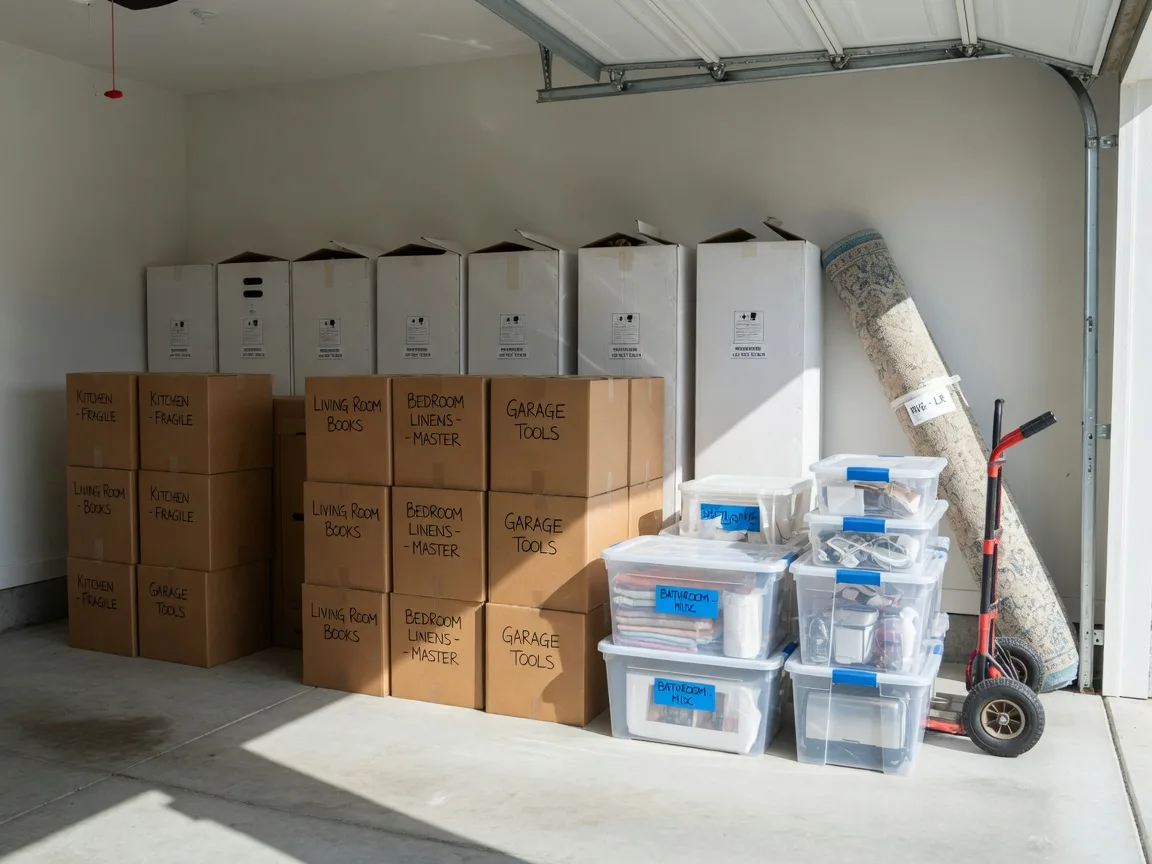
Packing, utilities, temporary housing, and storage all connect to the possession date. Build a moving plan that survives a closing date that moves in either direction.
Family, pets, and interstate relocation
Children, pets, and a move across state lines add layers to the same coordination problem. Plan school timing, pet travel, and a second set of local rules before the contracts start.
Complete checklist
Turn the whole plan into one working document: financing, contracts, escrow coordination, moving, and possession, reviewed with your agent and lender.
Earlier in the series
California Home Selling 101
Starting the sale, choosing a listing agent, home value and preparation, pricing and marketing, offers and closing.
Open the GuideEarlier in the series
California Home Offers, Contracts & Negotiation
Preparing an offer, counteroffers, seller credits, cash and financing, contingencies and the terms that shape every transaction.
Open the GuideEarlier in the series
Finding, Touring & Comparing California Homes
How to search and compare California homes, from the MLS and listing alerts to touring, listing status and property types.
Open the GuideEarlier in the series
California Home Inspections & Buyer Due Diligence
Inspection basics, responding to findings, specialized evaluations and a complete pre-close due-diligence checklist.
Open the GuideEarlier in the series
California Seller Disclosures & Property-Risk Information
Disclosure basics, property condition and history, natural and environmental hazards, and financial and property-specific disclosures.
Open the GuideEarlier in the series
California Home Appraisals & Property Value
Appraisal basics, how appraisers understand value, and buyer options when an appraisal comes in low.
Open the GuideEarlier in the series
California Mortgages, Loan Approval & Financing
Loan types, down payments, mortgage insurance, rates, points, underwriting, conditional approval and closing.
Open the GuideEarlier in the series
California Title, Escrow & Closing Fundamentals
Title insurance, the title search and preliminary report, escrow instructions and funds, title problems, recording and a closing checklist.
Open the GuideEarlier in the series
California Closing Costs, Prorations & Final Documents
Buyer and seller closing costs, prorations, supplemental taxes, title, escrow, lender fees, the Closing Disclosure and safe final funding.
Open the GuideEarlier in the series
California Seller Offers, Counteroffers & Negotiation
Reviewing offers, evaluating buyer protections, counteroffers and competition, cash vs. financed offers, and final offer selection.
Open the GuidePut the guide to work
Turn the sell-and-buy guide into a conversation.
JC Pacific Corp is an Irvine-based brokerage serving buyers and sellers across Orange County, Los Angeles, San Diego, and the Inland Empire, with escrow, mortgage, and property-management services around each transaction. Bring the questions from these articles to your agent, lender, and escrow team: the sequence, the two closing calendars, rent-back terms, and your moving plan can all be walked through with local professionals before you commit.
Helpful next links