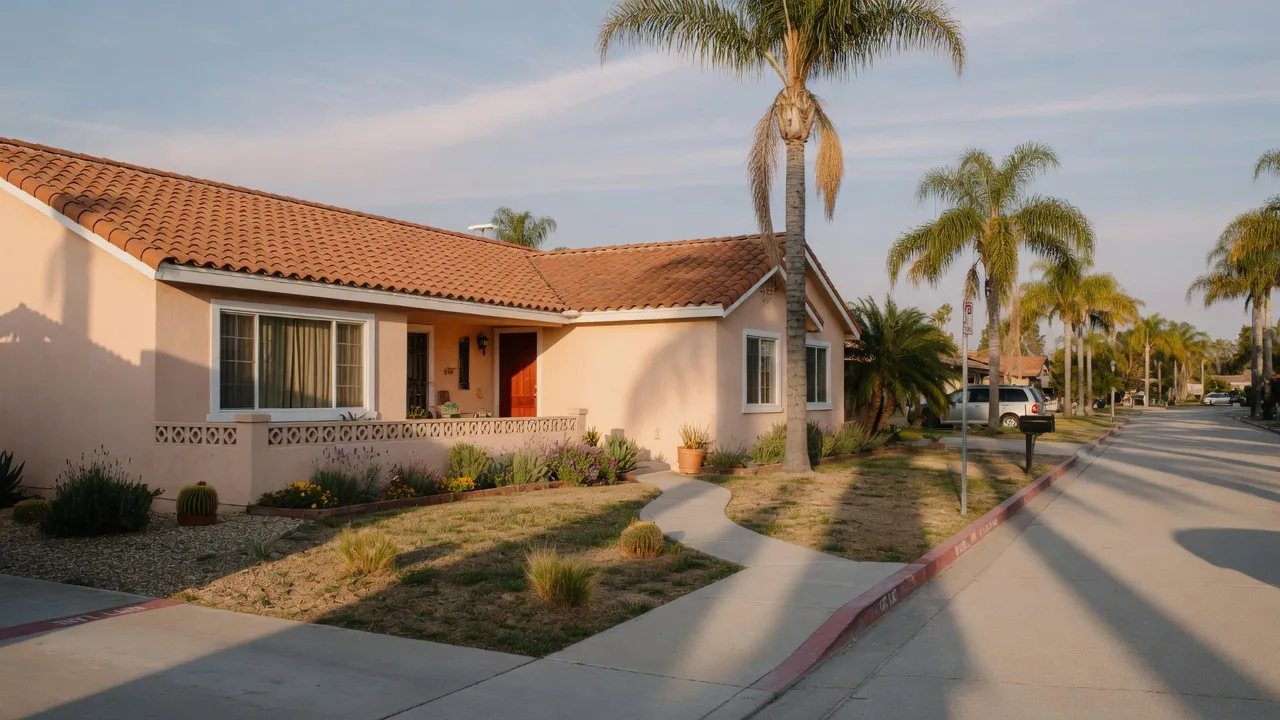
California Seller Disclosure Checklist for Buyers
By JC Pacific Corp Published 2026-09-01 Last professionally reviewed: September 2026
A California buyer should review every disclosure promptly, compare the documents with inspections and listing information and investigate any unanswered or inconsistent issue.
Core Property Disclosures
Depending on the transaction, review applicable:
- Transfer Disclosure Statement
- Seller Property Questionnaire
- Agent visual-inspection disclosures
- Exemption information
- Lead-based-paint disclosure
- Water-heater or smoke-device information
- Gas-appliance restriction disclosures when applicable
- Other statutory and contractual disclosures
California law continues to change. For example, beginning in 2026, covered single-family residential sellers must disclose known state or local future-replacement requirements or restrictions concerning transferred gas-powered appliances. Buyers should verify the current law whenever they review this article.
Natural-Hazard Information
Review:
- Natural Hazard Disclosure
- Flood-zone information
- Fire-hazard mapping
- Earthquake fault zones
- Seismic hazard zones
- Dam-inundation information
- Other property-specific hazard reports
Property History
Investigate known:
- Water intrusion
- Roof leaks
- Structural repairs
- Pest treatment
- Insurance claims
- Fire or smoke damage
- Additions and remodeling
- Permit history
- Solar agreements
- Well or septic history
- Other major repairs
HOA and Community Information
When applicable, review:
- CC&Rs
- Rules
- Dues
- Special assessments
- Budget and reserves
- Insurance
- Meeting minutes
- Litigation
- Rental restrictions
- Parking and pet rules
- Maintenance responsibilities
Compare the Documents
Look for inconsistencies involving:
- Square footage
- Bedroom and bathroom count
- Additions
- Roof age
- Water damage
- Solar ownership
- Property boundaries
- HOA expenses
- Included appliances
- Occupancy
- Repair history
Ask Follow-Up Questions
A useful question should identify:
- What happened
- When
- What caused it
- Who repaired it
- Were permits required
- Is documentation available
- Has the condition returned
- Does a specialist need to evaluate it
Frequently Asked Questions
Does a clean disclosure package mean the home has no defects?
No. Sellers can disclose only what they know, and forms have limitations.
Do disclosures replace inspections?
No.
Can Property DNA replace seller disclosures?
No. A Property DNA report may provide useful ownership, tax, loan and property-history information, but it does not replace statutory disclosures, inspections, title review or other due diligence.
What if the seller provides very little information?
Increase independent investigation and ask why the information is limited.
Disclosures, inspections, title information, public records and professional evaluations should be reviewed together rather than as isolated documents.
Related guides
All 25 guidesPut this guide to work
The next step is a conversation with a local agent.
JC Pacific Corp is an Irvine-based Southern California brokerage helping buyers navigate offers, escrow, and financing. Tell us what you are looking for and we will point you to current options across the region.
A note on legal advice: These guides provide general, educational information about California real estate practice. They are not legal advice and do not create an attorney-client relationship. Mortgage information is general education, not individualized lending, tax or legal guidance. For advice about your specific offer, contract, closing or financing, consult a qualified California real estate attorney and a qualified mortgage professional.