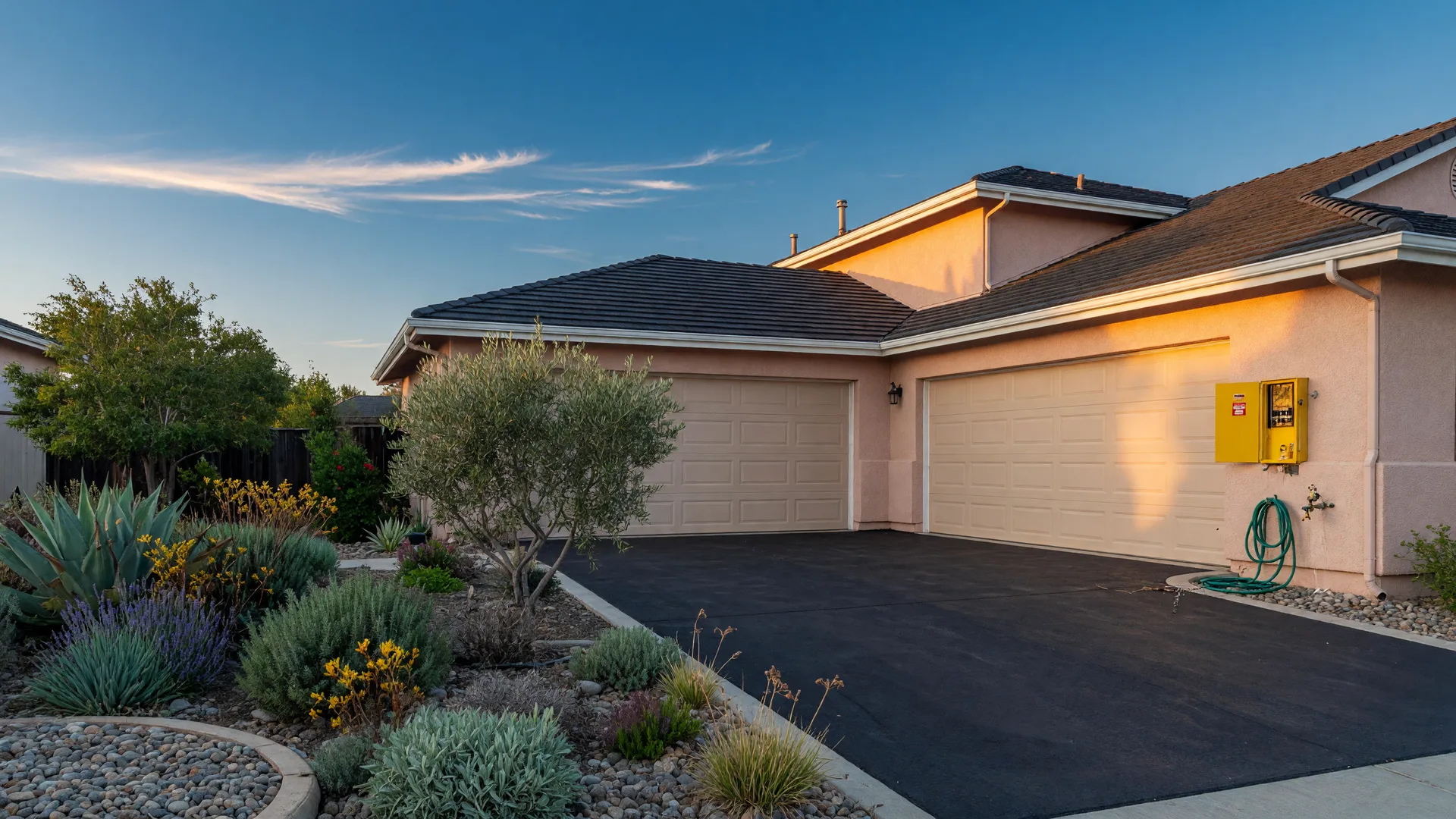
Summer Home Maintenance Checklist for California
By JC Pacific Corp Published 2026-09-01 Last professionally reviewed: September 2026
Summer maintenance should focus on cooling efficiency, wildfire safety, irrigation, water conservation, pools, exterior damage, and heat-related stress on the property.
What should homeowners check?
- HVAC filters and performance
- Condensate drains
- Thermostat
- Window and door seals
- Attic ventilation
- Irrigation leaks
- Pool chemistry and equipment
- Exterior wood
- Decks and railings
- Roofing visible from the ground
- Plumbing supply lines
- Refrigerator and ice-maker lines
What wildfire work should continue?
- Remove dead vegetation
- Clear leaves from roofs and gutters
- Maintain defensible space
- Remove combustible debris near structures
- Store firewood appropriately
- Keep address numbers visible
- Maintain accessible driveways
- Follow local weed-abatement deadlines
Avoid mowing or using spark-producing equipment during dangerous heat or wind conditions.
How can homeowners monitor heat stress?
Look for:
- HVAC struggling to maintain temperature
- Cracked caulk
- Dry landscaping near foundations
- Irrigation failures
- Warped exterior materials
- Pool water loss
- Unusual electrical smells
- Overheating appliances
Frequently Asked Questions
Should I hose down the roof during wildfire weather?
Follow local fire-authority guidance. Improvised actions may waste water or create safety hazards.
How often should HVAC filters be changed?
Follow manufacturer guidance and consider pets, smoke, dust, construction, and household needs.
Can extreme heat affect plumbing?
Yes. Irrigation, exterior pipes, seals, and appliances may be affected.
Educational information
This content is for general educational purposes and is not construction, engineering, electrical, plumbing, pest-control, insurance, legal, environmental, fire-safety, or emergency advice. Maintenance needs vary by property, age, construction, climate, location, and condition. Work involving electricity, gas, roofing, structural systems, pests, hazardous materials, or permits should be handled by appropriately licensed professionals. If you smell gas, see fire, observe electrical arcing, discover a major leak, or believe a structure may be unsafe, leave the affected area when appropriate and contact emergency services or the responsible utility. Do not attempt a repair beyond your training.
Next step: Keep the property maintained throughout fire season rather than relying on a single annual cleanup.
Related guides
All 25 guidesPut this guide to work
The next step is a conversation with a local agent.
JC Pacific Corp is an Irvine-based Southern California brokerage helping buyers navigate offers, escrow, and financing. Tell us what you are looking for and we will point you to current options across the region.
A note on legal advice: These guides provide general, educational information about California real estate practice. They are not legal advice and do not create an attorney-client relationship. Mortgage information is general education, not individualized lending, tax or legal guidance. For advice about your specific offer, contract, closing or financing, consult a qualified California real estate attorney and a qualified mortgage professional.
A note on these California home-maintenance guides: These articles provide general, educational information about routine home maintenance, seasonal preparation, and life-safety systems for California homeowners. They are not construction, engineering, electrical, plumbing, pest-control, insurance, legal, environmental, fire-safety, or emergency advice, and they do not create a contractor, inspector, engineer, insurer, attorney, or emergency-responder relationship with the brokerage. Maintenance needs vary by property, age, construction, climate, location, and condition. Work involving electricity, gas, roofing, structural systems, pests, hazardous materials, or permits should be handled by appropriately licensed professionals, and code, insurance, hazard, and local requirements must be checked against current official sources at publication time. Property DNA is only one supporting research service and is never a substitute for inspections, permit research, maintenance records, contractor evaluations, structural engineering, pest inspections, insurance, title review, or professional advice. In an emergency, leave the affected area when appropriate and contact emergency services or the responsible utility.