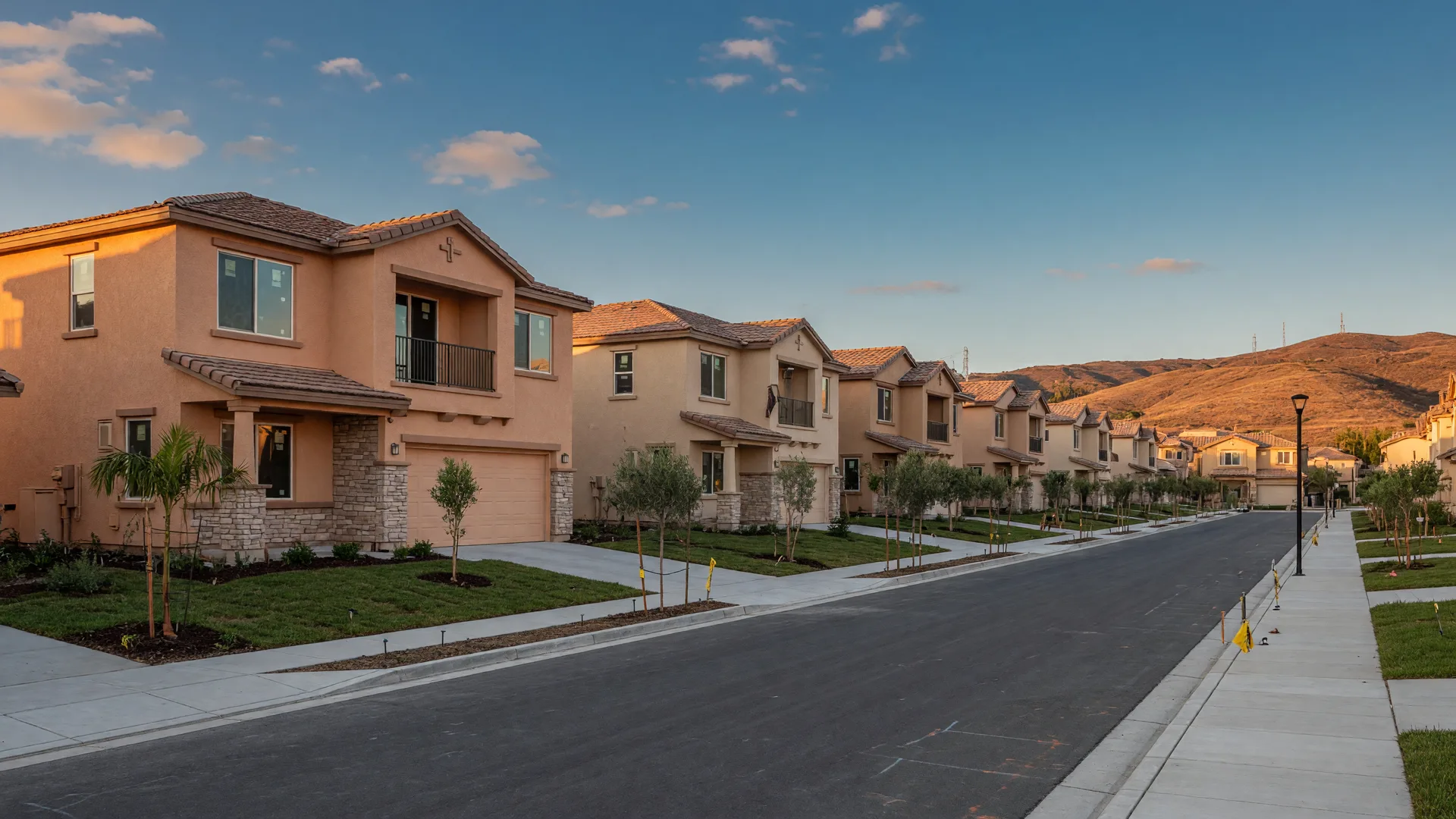
Financing a California New-Construction Home
By JC Pacific Corp Published 2026-09-01 Last professionally reviewed: September 2026
Financing a production new-construction home usually involves mortgage preapproval, periodic financial updates during construction, an appraisal based on the plans and completed features, a rate-lock decision, and final underwriting near completion. Buyers must remain financially qualified throughout the process.
Why can financing change during construction?
Because months may pass between contract and closing. During that time, changes in income, employment, debt, credit, interest rates, assets, or property value can affect approval. Avoid opening credit accounts, financing vehicles, changing jobs, moving money without records, or making large purchases without consulting the lender.
What costs should the loan plan include?
Account for:
- Final purchase price
- Lot premium
- Upgrades
- Down payment
- Closing costs
- Prepaid taxes and insurance
- HOA charges
- Rate-lock fees
- Reserves
- Post-closing items such as landscaping or window coverings
Frequently Asked Questions
Is a construction loan required?
Not always. In many production-home purchases, the builder finances construction and the buyer obtains a standard purchase mortgage at completion. Custom construction can work differently.
When is the home appraised?
Timing varies, but the appraisal may use plans, specifications, contracts, upgrades, inspections, and completion certification.
Does preapproval guarantee closing?
No. Final approval depends on updated underwriting, the property, appraisal, title, insurance, and other conditions.
Educational information
This content is for general educational purposes and is not legal, tax, appraisal, lending, construction, engineering, inspection, insurance, investment, or financial advice. New-construction contracts, builder policies, deposits, rate-lock terms, warranties, inspection access, delivery dates, and financing programs vary by builder, project, lender, and jurisdiction and change frequently. These articles do not guarantee completion dates, rental income, property value, financing, or construction costs, and a statement about a lot, view, orientation, or premium is not a promise that any feature will increase value. Review the actual builder contract, option and selection documents, loan disclosures, and applicable law, and verify current rules with the jurisdiction or agency having authority. Consult appropriately licensed legal, tax, lending, appraisal, inspection, engineering, and construction professionals regarding a specific transaction.
Next step: Choose a lender capable of managing an extended construction timeline. Request a written explanation of update requirements, rate-lock choices, extension fees, and appraisal procedures.
Related guides
All 25 guidesPut this guide to work
The next step is a conversation with a local agent.
JC Pacific Corp is an Irvine-based Southern California brokerage helping buyers navigate offers, escrow, and financing. Tell us what you are looking for and we will point you to current options across the region.
A note on legal advice: These guides provide general, educational information about California real estate practice. They are not legal advice and do not create an attorney-client relationship. Mortgage information is general education, not individualized lending, tax or legal guidance. For advice about your specific offer, contract, closing or financing, consult a qualified California real estate attorney and a qualified mortgage professional.
A note on these new-construction guides: These articles provide general, educational information about buying a newly built home in California, including builder pricing and lot premiums, upgrades and design selections, deposits, construction timelines, financing and rate locks, appraisals, inspections, and the walk-through and punch list. They are not legal, tax, appraisal, lending, construction, engineering, inspection, insurance, investment, or financial advice, and they do not create a builder, lender, contractor, inspector, engineer, attorney, or appraiser relationship with the brokerage. Builder contracts, option and selection documents, deposits, rate-lock terms, appraisal procedures, warranties, punch-list obligations, and delivery timelines vary by builder and project and change frequently. These guides do not guarantee completion dates, rental income, property value, financing, or construction costs, and no statement about a lot, view, or premium is a promise that any feature will increase value. Verify current rules with the jurisdiction or agency having authority and consult appropriately licensed legal, tax, lending, appraisal, inspection, engineering, and construction professionals regarding a specific transaction.