What Is a Main Water Shutoff, and Where Is It?
By JC Pacific Corp Published 2026-09-01 Last professionally reviewed: September 2026
The main water shutoff controls water entering the home or property. Every homeowner should locate it before an emergency and learn the safe operating procedure for the specific valve.
Where might the shutoff be located?
Possible locations include:
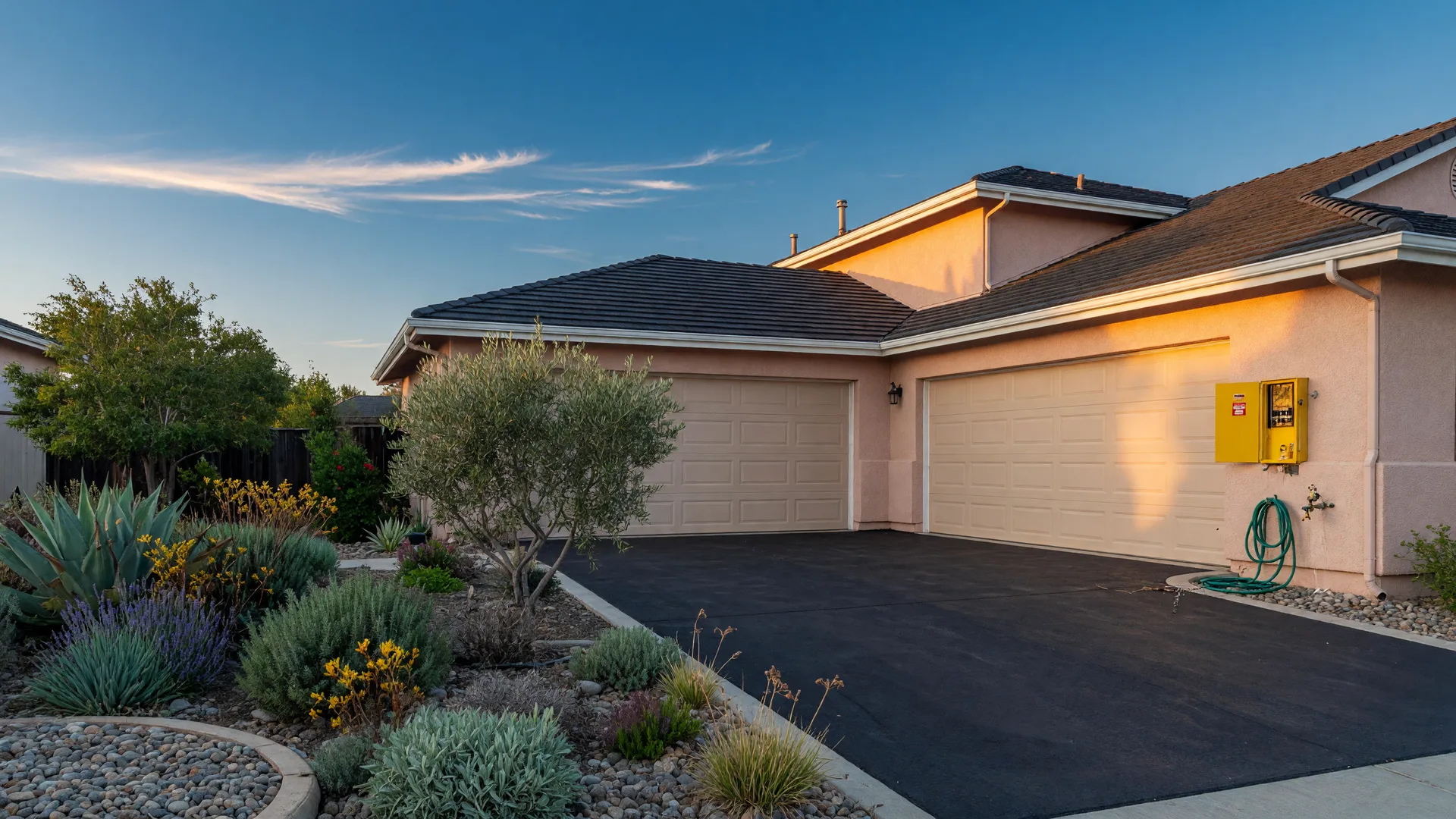
- Garage
- Exterior wall
- Basement
- Crawlspace
- Utility room
- Near the water heater
- Underground valve box
- Near the street
- Adjacent to the water meter
The utility-side valve may belong to the water provider and should not be operated without authorization.
How should homeowners prepare?
- Ask the inspector, plumber, or seller to identify it
- Label it clearly
- Keep the correct tool nearby
- Photograph its location
- Ensure access is clear
- Have a plumber evaluate corroded or frozen valves
- Teach household members the procedure
When should water be shut off?
Possible emergencies include:
- Burst pipe
- Failed appliance line
- Overflowing fixture
- Major interior leak
- Certain evacuation situations
Shutting off water may affect fire sprinklers, boilers, irrigation, or other systems. Understand the property first.
Frequently Asked Questions
Should I test the valve?
A qualified plumber can test a questionable or older valve without creating unnecessary damage.
Is the meter valve the main shutoff?
It may control service, but it can be utility property.
Should water be shut off during every vacation?
That depends on the home's systems, climate, insurer, and professional advice.
Educational information
This content is for general educational purposes and is not construction, engineering, electrical, plumbing, pest-control, insurance, legal, environmental, fire-safety, or emergency advice. Maintenance needs vary by property, age, construction, climate, location, and condition. Work involving electricity, gas, roofing, structural systems, pests, hazardous materials, or permits should be handled by appropriately licensed professionals. If you smell gas, see fire, observe electrical arcing, discover a major leak, or believe a structure may be unsafe, leave the affected area when appropriate and contact emergency services or the responsible utility. Do not attempt a repair beyond your training.
Next step: Locate, photograph, label, and make the shutoff accessible today.
Related guides
All 25 guidesPut this guide to work
The next step is a conversation with a local agent.
JC Pacific Corp is an Irvine-based Southern California brokerage helping buyers navigate offers, escrow, and financing. Tell us what you are looking for and we will point you to current options across the region.
A note on legal advice: These guides provide general, educational information about California real estate practice. They are not legal advice and do not create an attorney-client relationship. Mortgage information is general education, not individualized lending, tax or legal guidance. For advice about your specific offer, contract, closing or financing, consult a qualified California real estate attorney and a qualified mortgage professional.
A note on these California home-maintenance guides: These articles provide general, educational information about routine home maintenance, seasonal preparation, and life-safety systems for California homeowners. They are not construction, engineering, electrical, plumbing, pest-control, insurance, legal, environmental, fire-safety, or emergency advice, and they do not create a contractor, inspector, engineer, insurer, attorney, or emergency-responder relationship with the brokerage. Maintenance needs vary by property, age, construction, climate, location, and condition. Work involving electricity, gas, roofing, structural systems, pests, hazardous materials, or permits should be handled by appropriately licensed professionals, and code, insurance, hazard, and local requirements must be checked against current official sources at publication time. Property DNA is only one supporting research service and is never a substitute for inspections, permit research, maintenance records, contractor evaluations, structural engineering, pest inspections, insurance, title review, or professional advice. In an emergency, leave the affected area when appropriate and contact emergency services or the responsible utility.