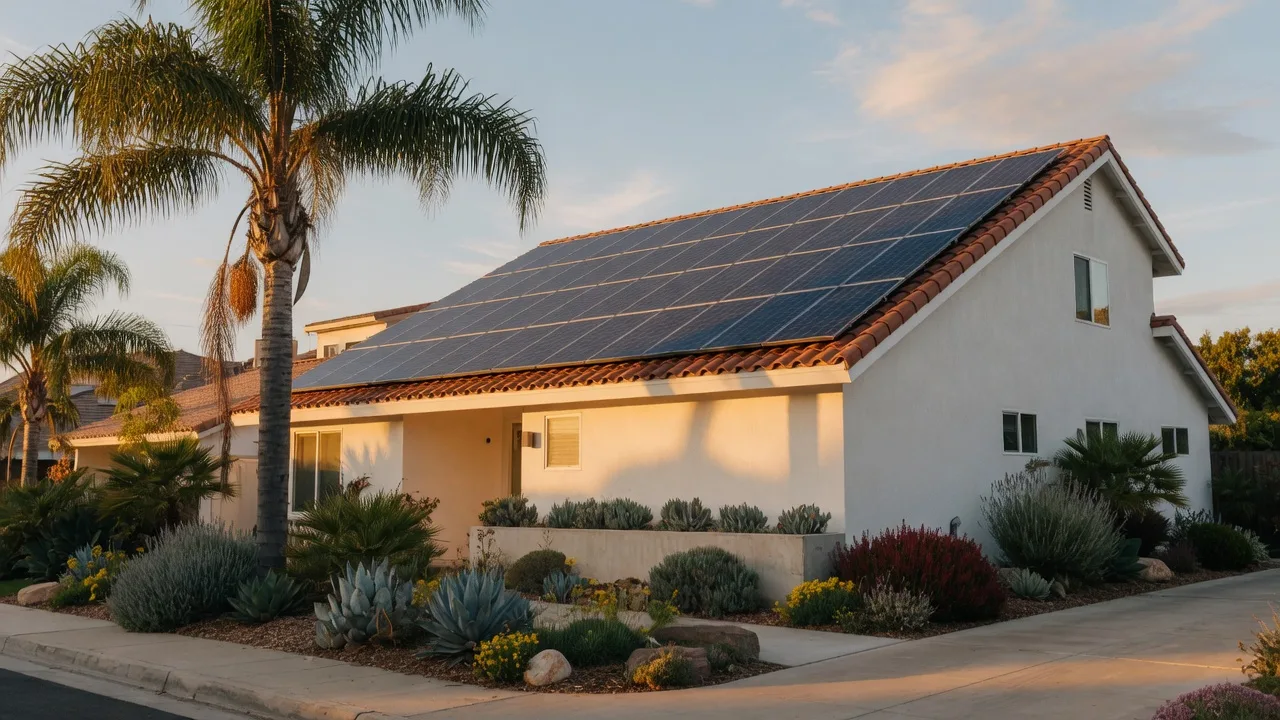
Solar for California Investment Property
By JC Pacific Corp Published 2026-09-01 Last professionally reviewed: September 2026
Solar may benefit a California investment property, but investors should evaluate who receives the savings, how utilities are billed, what the system costs, how it affects taxes and insurance, and whether it supports the property's long-term strategy.
What should investors analyze?
- Purchase price
- Financing cost
- Tax treatment
- Incentives
- Utility tariff
- Expected production
- Degradation
- Roof life
- Maintenance
- Insurance
- Battery replacement
- Tenant turnover
- Utility responsibility
- Rent-control implications
- Resale
- Payback period
Who receives the economic benefit?
The answer depends on:
- Which party holds the utility account
- Whether utilities are included in rent
- Whether units are individually metered
- Local utility rules
- Lease language
- Common-area consumption
- Tenant usage
- Applicable rent laws
What risks should investors consider?
- Long-term contract
- Loan balance
- Provider failure
- Roof-removal cost
- Equipment obsolescence
- Lower export credits
- Vandalism
- Insurance exclusions
- Unclear tenant billing
- UCC filing
- Difficult resale transfer
Frequently Asked Questions
Can solar increase net operating income?
Potentially, if it produces measurable owner-retained savings or supports lawful rental value.
Is solar depreciation available?
Tax treatment depends on ownership, use, incentives, and current law. Consult a tax professional.
Should an investor lease or purchase?
Compare total lifetime cost, control, tax treatment, financing, and exit strategy.
Educational information
This content is for general educational purposes and is not legal, tax, appraisal, lending, electrical, engineering, construction, insurance, investment, utility-rate, or solar-production advice. Solar agreements, utility tariffs, incentives, tax rules, financing requirements, equipment warranties, and transfer procedures vary and change frequently. Buyers, sellers, and owners should consult appropriately licensed legal, tax, lending, insurance, real estate, electrical, solar, and appraisal professionals regarding a specific property. Never access, disconnect, modify, repair, or remove solar, battery, electrical, or utility equipment without appropriate authorization and professional qualifications. Battery systems may retain dangerous electrical energy even when other power appears disconnected.
Next step: Underwrite solar as a separate investment with its own cash flows, risks, equipment life, and transfer plan.
Related guides
All 25 guidesPut this guide to work
The next step is a conversation with a local agent.
JC Pacific Corp is an Irvine-based Southern California brokerage helping buyers navigate offers, escrow, and financing. Tell us what you are looking for and we will point you to current options across the region.
A note on legal advice: These guides provide general, educational information about California real estate practice. They are not legal advice and do not create an attorney-client relationship. Mortgage information is general education, not individualized lending, tax or legal guidance. For advice about your specific offer, contract, closing or financing, consult a qualified California real estate attorney and a qualified mortgage professional.