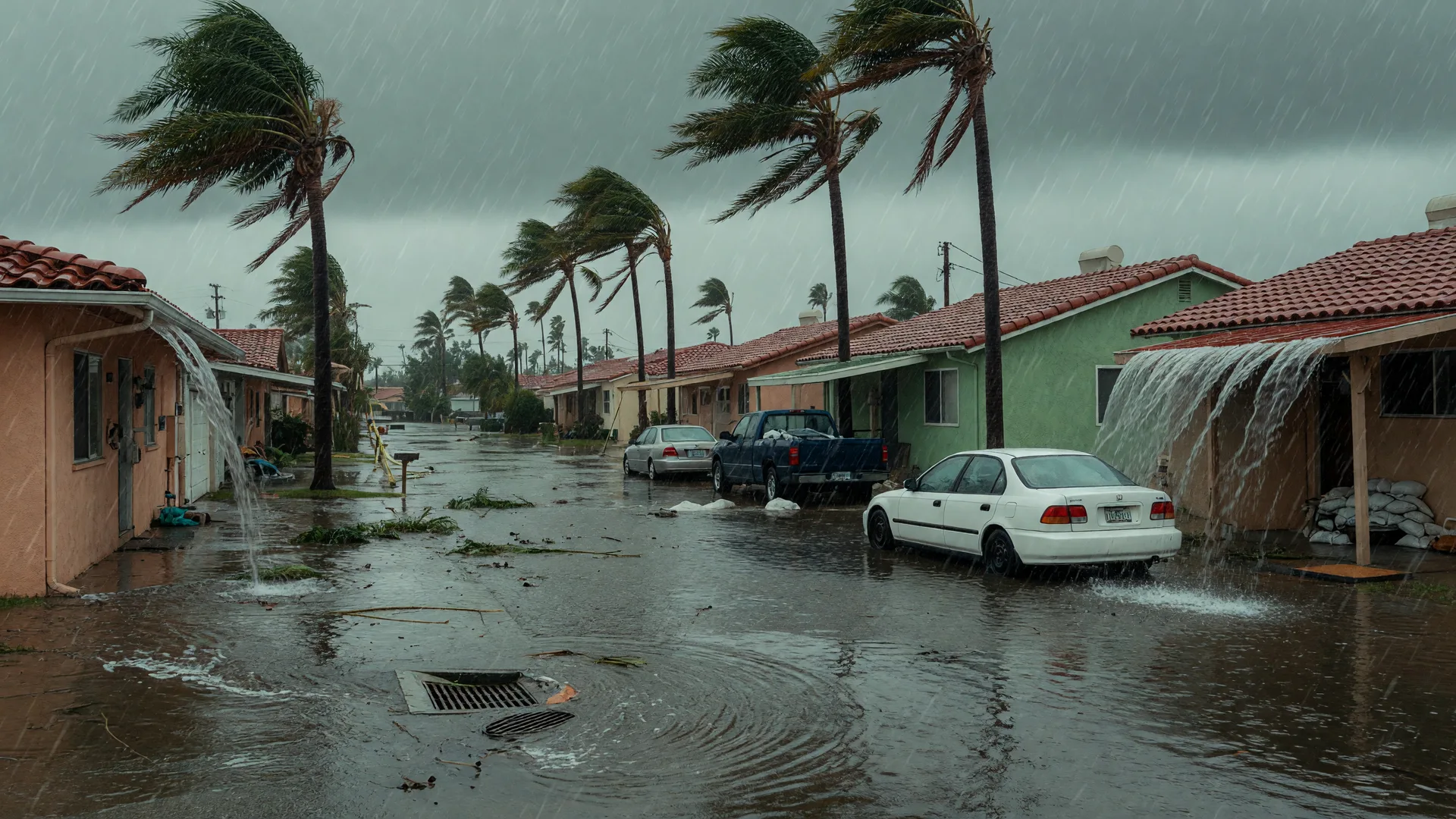
A message to our communities
Southern California Storm Safety: Protecting Your Family, Your Home, and Your Community
By JC Pacific Corp Published October 11, 2026
A Message to Our Southern California Communities from JC Pacific
When severe weather strikes, our first concern isn't real estate. It's the people who make our communities home.
To our neighbors throughout Los Angeles, Orange County, Riverside, San Bernardino, San Diego, Ventura, and the surrounding Southern California communities: as storms bring the threat of flooding, damaging winds, hazardous roads, and property damage, we want you to know that your safety and your family's well-being come first.
At JC Pacific, we work with families, homeowners, buyers, sellers, and investors every day. We understand that a home is much more than a piece of property. It's where your children sleep, where your family gathers, where memories are made, and where you should feel safe.
As Southern California communities navigate severe weather and its aftermath, we want to share important safety information that could help protect you, your loved ones, and your property.
Never Drive Through Floodwater — Even When the Road Looks Passable
One of the most dangerous mistakes people make during heavy rainfall is assuming that a flooded roadway is safe to cross.
Floodwater can conceal washed-out pavement, deep holes, debris, and strong currents. Water that appears shallow can be powerful enough to sweep a vehicle off the road.
According to the National Weather Service, approximately six inches of fast-moving water can knock an adult off their feet, while twelve inches of rushing water can carry away many passenger vehicles. Two feet of moving water can carry away larger vehicles, including SUVs and trucks.
Turn Around, Don't Drown.
If you encounter a flooded road, turn around and find another route. Never drive around barricades, even if other drivers are doing so.
Do not attempt to walk across moving floodwater either. The current may be stronger than it appears, and contaminated water can conceal sharp objects, exposed electrical hazards, and damaged infrastructure.
If your vehicle becomes trapped in rising water, call 911 if you are in immediate danger and follow emergency responders' instructions.
Flash Flooding Can Happen Quickly in Southern California
Southern California's geography creates unique flood hazards. Mountain slopes, desert terrain, urban development, concrete drainage channels, and wildfire burn scars can all contribute to rapidly developing floods.
Areas that normally remain dry may experience dangerous runoff during intense rainfall.
Residents near hillsides, canyons, washes, creeks, and recently burned areas should pay particular attention to local emergency alerts.
Burn scars deserve special attention. When vegetation has been destroyed by wildfire, rainfall can trigger dangerous mudflows and debris flows. These events can occur rapidly and may carry rocks, trees, and large amounts of sediment.
If local authorities issue an evacuation order, leave immediately using the recommended routes. Do not wait until you can see floodwater or debris approaching your home.
Protect Yourself From High Winds and Falling Debris
Severe winds can create hazards long before a storm reaches its peak.
Outdoor furniture, umbrellas, trash containers, decorations, and unsecured equipment can become dangerous projectiles.
If conditions allow you to prepare safely, secure or move loose outdoor objects indoors. Close and latch windows and doors, and keep vehicles away from large trees or visibly unstable structures when possible.
During particularly strong winds, remain indoors and away from windows and glass doors.
Never approach a downed power line. Treat every fallen electrical line as energized, even if it appears inactive. Stay well away from the line and anything touching it, and contact emergency services or your utility provider.
What to Do If Your Home Begins Flooding
If water begins entering your home, your immediate priority is protecting the people inside.
Move to higher ground or a higher level of the building when it is safe to do so. Never enter a flooded basement or room where electrical equipment may be submerged.
Do not attempt to disconnect electrical power while standing in water. If electrical service needs to be shut off, it should only be done from a safe, dry location by someone who can do so safely.
If authorities instruct you to evacuate, follow those instructions immediately. Do not remain inside to protect furniture, appliances, or personal belongings.
Keep essential medications, identification, phones, chargers, and emergency supplies accessible if evacuation becomes necessary.
If you are trapped by rising floodwater, move to the highest safe level of the building, avoiding enclosed attics without roof access, and call for emergency assistance.
Preparing Your Family Before the Next Storm
Even after the current weather system passes, additional rainfall or related hazards may remain possible.
Every Southern California household should maintain a basic emergency preparedness plan.
Know how you will evacuate your neighborhood if roads become inaccessible. Identify where family members will meet if communications are disrupted, and make sure children understand how to contact a trusted adult.
Keep drinking water, shelf-stable food, flashlights, batteries, medications, first-aid supplies, important documents, and necessary pet supplies available.
Charge your phones and portable power banks before severe weather arrives.
If you rely on electrically powered medical equipment, make an emergency backup plan with your healthcare provider and utility company.
Remember that generators, grills, and other fuel-burning equipment must never be operated inside homes, garages, or near doors and windows because of the risk of deadly carbon monoxide poisoning.
After the Storm: Hidden Dangers May Remain
A storm ending does not necessarily mean the danger has passed.
Flooded roads may remain structurally compromised. Saturated hillsides can become unstable. Damaged trees and power lines may fall after winds subside.
Floodwater may contain sewage, chemicals, and harmful microorganisms. Avoid direct contact whenever possible.
Do not enter a building with visible structural damage, shifting foundations, sagging ceilings, or suspected electrical hazards until qualified professionals or local authorities determine it is safe.
If your home has experienced flooding, photograph visible damage from safe locations and contact your insurance provider as soon as reasonably possible.
Our next article in this series explains how Southern California homeowners can document storm damage, begin insurance claims, and protect their property during recovery.
Look Out for Your Neighbors
Severe weather reminds us how much we depend on one another.
If it is safe, check on elderly neighbors, people with disabilities, families with young children, and anyone who may need assistance receiving emergency alerts or preparing to evacuate.
Share verified emergency information rather than rumors circulating on social media.
For residents who speak limited English, help make sure important safety information and evacuation instructions are understood.
A simple phone call, an offer to help secure outdoor belongings before the storm, or assistance locating an emergency shelter can make a meaningful difference.
Reliable Southern California Emergency Resources
For current weather warnings, evacuation instructions, and emergency information, consult official sources:
- National Weather Service: https://www.weather.gov
- California Governor's Office of Emergency Services: https://www.caloes.ca.gov
- Caltrans QuickMap for road conditions: https://quickmap.dot.ca.gov
- Ready.gov for flood preparedness: https://www.ready.gov/floods
- FEMA disaster assistance information: https://www.disasterassistance.gov
For immediate emergencies, call 911.
From Our JC Pacific Family to Yours
At JC Pacific, we believe strong communities are built on more than property transactions. They're built on relationships, compassion, and people looking out for one another.
Whether you are a longtime Southern California homeowner, a first-time buyer, a renter, or a real estate investor, we hope you and your family remain safe during these storms.
Homes can be repaired. Possessions can be replaced. People cannot.
Please stay informed, avoid unnecessary travel during dangerous conditions, follow local emergency instructions, and look after one another.
From all of us at JC Pacific, please stay safe, Southern California.
JC Pacific | Serving Southern California's Homeowners, Buyers, Sellers, and Real Estate Communities
This article provides general emergency preparedness information and does not replace instructions from local emergency management agencies or first responders.
More from JC Pacific
Real estate help across Southern California
When the storms pass and you are ready to buy, sell, or invest, the JC Pacific team in Irvine, California is here to help.