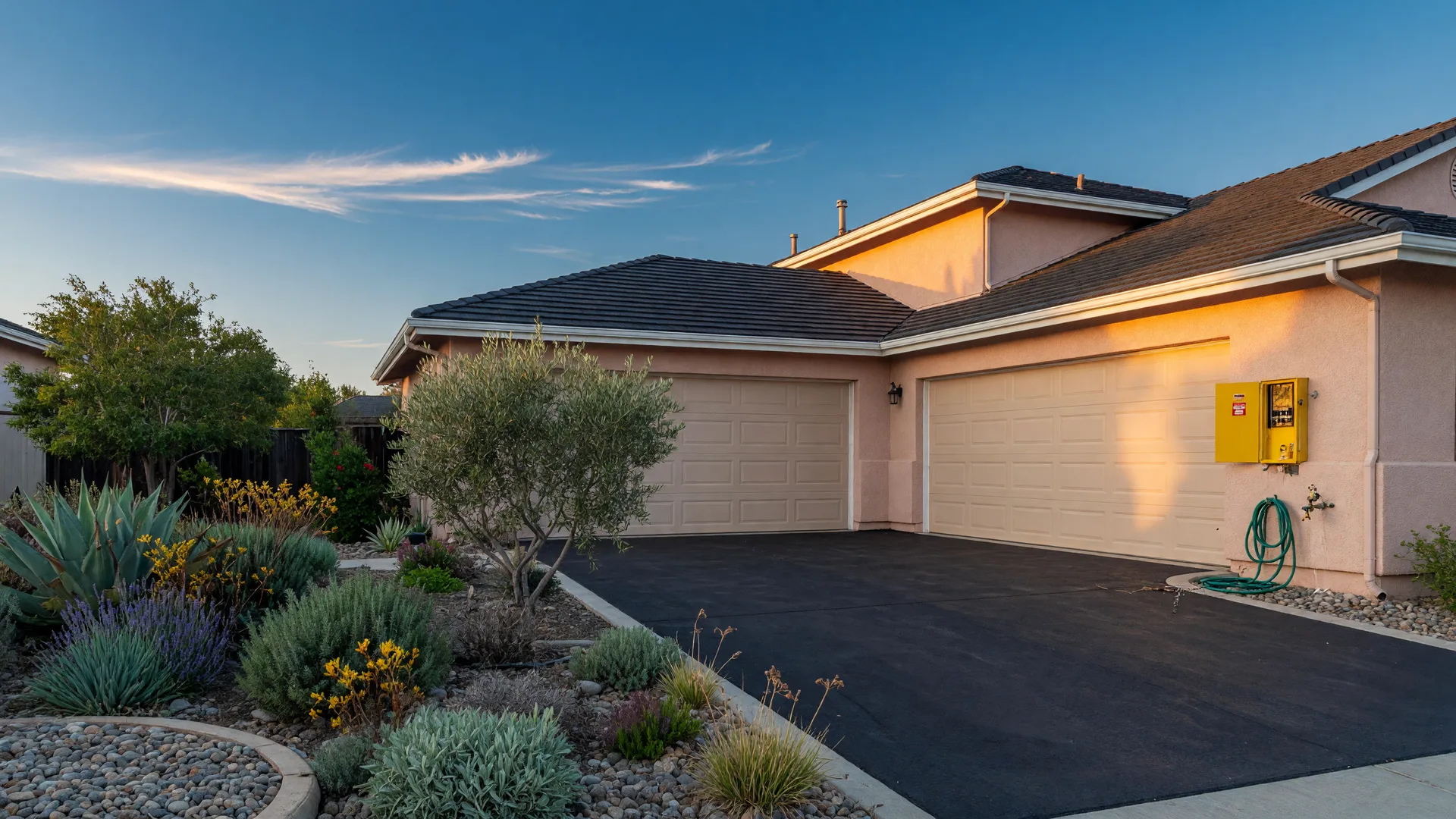
What Is Deferred Maintenance?
By JC Pacific Corp Published 2026-09-01 Last professionally reviewed: September 2026
Deferred maintenance is repair or upkeep that should have been completed but was postponed. A small unresolved condition can spread into more expensive damage and eventually affect safety, insurance, financing, habitability, or resale.
What are common examples?
- Unrepaired roof leak
- Peeling exterior paint
- Failed caulking
- Slow plumbing leak
- Damaged gutters
- Wood decay
- Pest activity
- Cracked windows
- Broken HVAC
- Drainage problems
- Loose railings
- Deteriorated decks
- Electrical defects
- Pool leaks
- Dead vegetation near structures
Why does delay increase cost?
A neglected condition may damage other systems. For example:
- A roof leak may damage insulation, framing, drywall, and electrical components
- A plumbing leak may create mold and flooring damage
- Failed paint may expose wood to moisture and decay
- Poor drainage may contribute to foundation movement
- Pest activity may expand into additional areas
How should homeowners prioritize?
Use three categories:
- 1. Immediate safety or active damage
- 2. Near-term system protection
- 3. Cosmetic or elective work
Frequently Asked Questions
Is an old system automatically deferred maintenance?
No. Age alone is not neglect if the system remains functional and properly maintained.
Can maintenance affect insurance?
Yes. Insurers may require repairs or deny losses caused by long-term deterioration.
Should sellers disclose deferred repairs?
Known material conditions may require disclosure.
Educational information
This content is for general educational purposes and is not construction, engineering, electrical, plumbing, pest-control, insurance, legal, environmental, fire-safety, or emergency advice. Maintenance needs vary by property, age, construction, climate, location, and condition. Work involving electricity, gas, roofing, structural systems, pests, hazardous materials, or permits should be handled by appropriately licensed professionals. If you smell gas, see fire, observe electrical arcing, discover a major leak, or believe a structure may be unsafe, leave the affected area when appropriate and contact emergency services or the responsible utility. Do not attempt a repair beyond your training.
Next step: Maintain a written repair list with dates, estimates, completion records, and photographs.
Related guides
All 25 guidesPut this guide to work
The next step is a conversation with a local agent.
JC Pacific Corp is an Irvine-based Southern California brokerage helping buyers navigate offers, escrow, and financing. Tell us what you are looking for and we will point you to current options across the region.
A note on legal advice: These guides provide general, educational information about California real estate practice. They are not legal advice and do not create an attorney-client relationship. Mortgage information is general education, not individualized lending, tax or legal guidance. For advice about your specific offer, contract, closing or financing, consult a qualified California real estate attorney and a qualified mortgage professional.
A note on these California home-maintenance guides: These articles provide general, educational information about routine home maintenance, seasonal preparation, and life-safety systems for California homeowners. They are not construction, engineering, electrical, plumbing, pest-control, insurance, legal, environmental, fire-safety, or emergency advice, and they do not create a contractor, inspector, engineer, insurer, attorney, or emergency-responder relationship with the brokerage. Maintenance needs vary by property, age, construction, climate, location, and condition. Work involving electricity, gas, roofing, structural systems, pests, hazardous materials, or permits should be handled by appropriately licensed professionals, and code, insurance, hazard, and local requirements must be checked against current official sources at publication time. Property DNA is only one supporting research service and is never a substitute for inspections, permit research, maintenance records, contractor evaluations, structural engineering, pest inspections, insurance, title review, or professional advice. In an emergency, leave the affected area when appropriate and contact emergency services or the responsible utility.