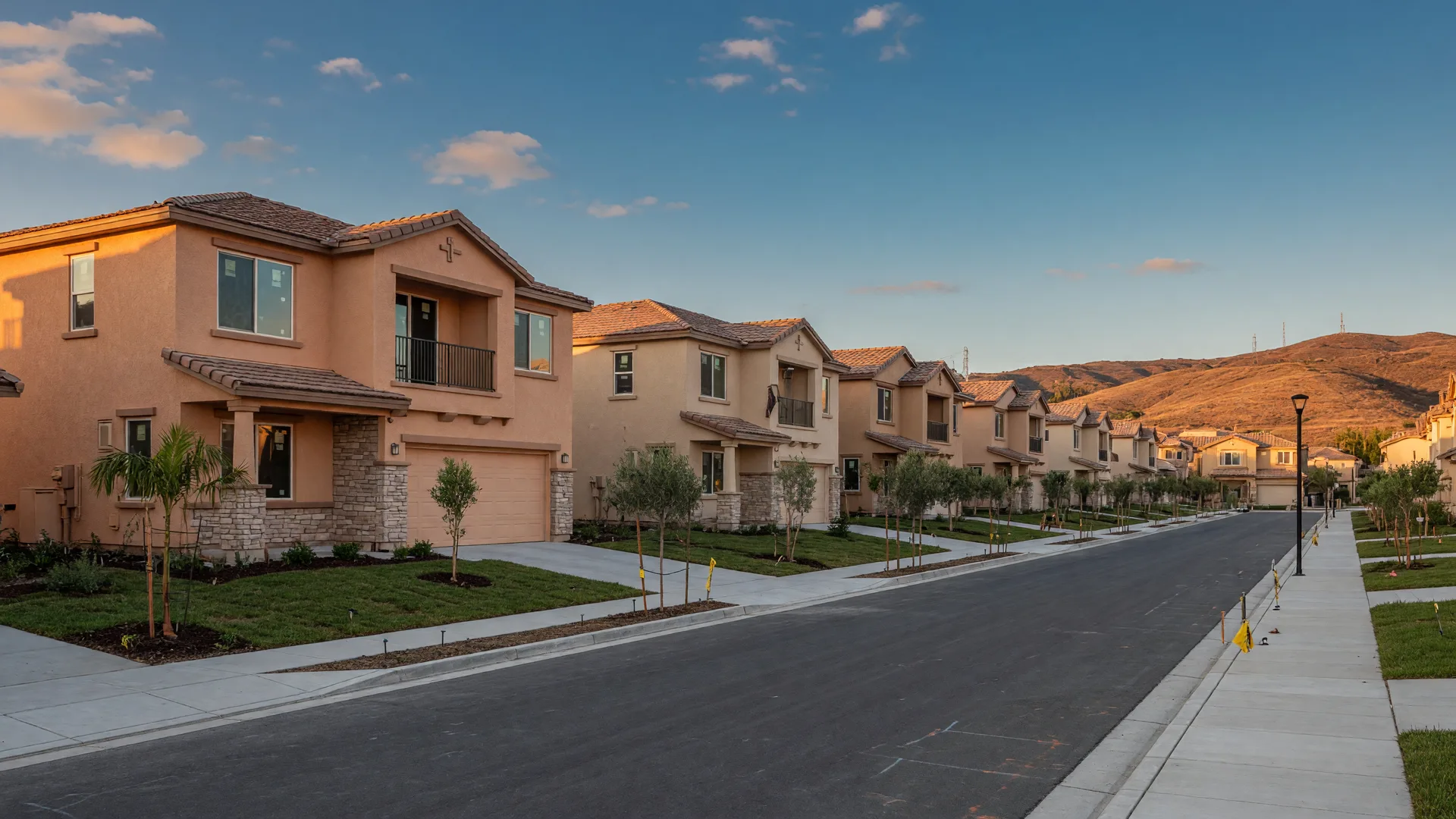
Buying New Construction in California: Complete Guide
By JC Pacific Corp Published 2026-09-01 Last professionally reviewed: September 2026
Buying a new-construction home in California involves choosing a community and lot, reviewing the builder's contract and disclosures, arranging financing, selecting options, monitoring construction, conducting inspections, completing the final walk-through, and closing. The builder's sales representative works for the builder, so buyers should consider obtaining their own representation before visiting or registering.
How is new construction different from resale?
A new-home purchase may involve:
- builder-specific contracts
- a development public report
- lot premiums
- design selections
- construction deposits
- completion estimates rather than fixed dates
- builder-controlled lender or incentive programs
- multiple inspection stages
- new-home warranties
- HOA dues or special assessments
- rules governing buyer-agent registration
The beautifully furnished model is not necessarily the home included at the advertised base price.
When should buyers contact their own agent?
Ideally, before the first visit, online registration, phone call, or model-home tour. Some builders require the buyer's agent to accompany and register the buyer at the initial contact. Builder policies vary, so buyers should not assume they can add representation later on the same terms.
What should buyers investigate?
Research the builder, development, public report, future phases, nearby land uses, schools, taxes, insurance, HOA, utility costs, solar arrangement, construction timeline, included features, upgrade pricing, and contract cancellation rights. Buyers should also obtain independent inspections even though municipal officials inspect the home for code compliance.
Frequently Asked Questions
Can I negotiate with a builder?
Sometimes. Builders may negotiate price, upgrades, closing costs, financing incentives, or lot premiums, but availability depends on the project and market.
Do I need a real estate agent?
California does not generally force a buyer to hire an agent, but independent representation can help with contracts, options, deadlines, inspections, and negotiations.
Is a new home maintenance-free?
No. New homes still require maintenance, and defects or incomplete work should be documented promptly.
Educational information
This article provides general educational information, not legal, financial, inspection, engineering, architectural, insurance, or construction advice. Builder contracts, development requirements, financing terms, warranties, and property conditions vary. Buyers should obtain appropriate professional representation and independently review all contracts, disclosures, reports, inspections, and financing terms.
Next step: Before registering with a builder, speak with a California buyer's agent who understands new construction. Establishing representation early can protect your options and improve the quality of your due diligence.
Related guides
All 25 guidesPut this guide to work
The next step is a conversation with a local agent.
JC Pacific Corp is an Irvine-based Southern California brokerage helping buyers navigate offers, escrow, and financing. Tell us what you are looking for and we will point you to current options across the region.
A note on legal advice: These guides provide general, educational information about California real estate practice. They are not legal advice and do not create an attorney-client relationship. Mortgage information is general education, not individualized lending, tax or legal guidance. For advice about your specific offer, contract, closing or financing, consult a qualified California real estate attorney and a qualified mortgage professional.
A note on these new-construction guides: These articles provide general, educational information about buying a newly built home in California, including builder pricing and lot premiums, upgrades and design selections, deposits, construction timelines, financing and rate locks, appraisals, inspections, and the walk-through and punch list. They are not legal, tax, appraisal, lending, construction, engineering, inspection, insurance, investment, or financial advice, and they do not create a builder, lender, contractor, inspector, engineer, attorney, or appraiser relationship with the brokerage. Builder contracts, option and selection documents, deposits, rate-lock terms, appraisal procedures, warranties, punch-list obligations, and delivery timelines vary by builder and project and change frequently. These guides do not guarantee completion dates, rental income, property value, financing, or construction costs, and no statement about a lot, view, or premium is a promise that any feature will increase value. Verify current rules with the jurisdiction or agency having authority and consult appropriately licensed legal, tax, lending, appraisal, inspection, engineering, and construction professionals regarding a specific transaction.