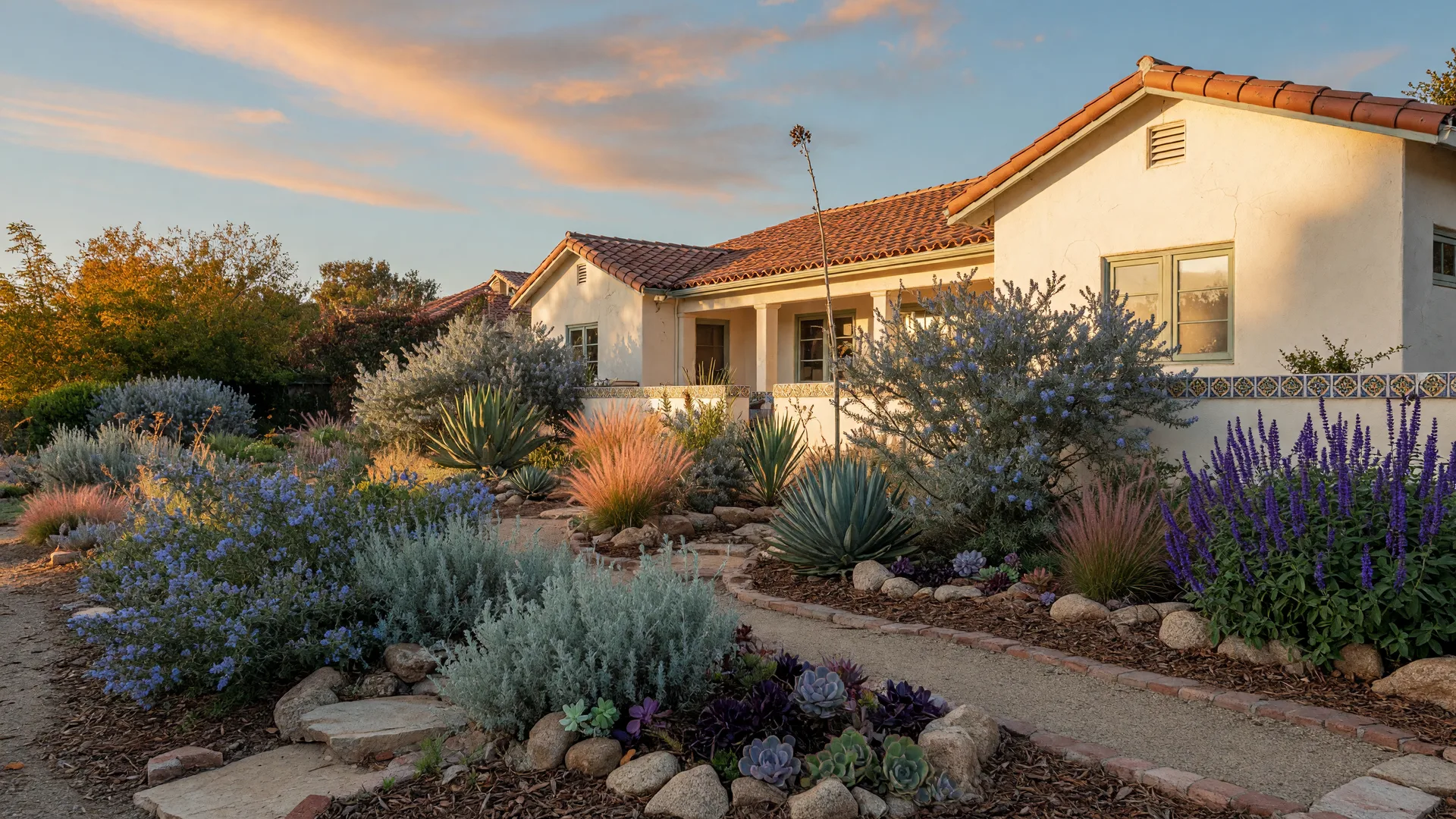
Why Fall Is the Best Time to Plant in Southern California
By JC Pacific Corp Published 2026-10-14 Last professionally reviewed: October 2026
Fall is the best time of year to plant trees, shrubs, and perennials in Southern California. Cooler air reduces transplant stress, the still-warm soil keeps roots growing, and winter rains arrive to water new plantings in. A plant set in the ground this month gets months of cool-season growth before next summer's heat arrives. That timing is not garden folklore; it is what University of California Cooperative Extension and UC Master Gardeners recommend.
Why is fall the best time to plant in Southern California?
In October, the air has cooled but the soil still holds much of summer's warmth, and the stressful conditions of July and August are months away. UC Cooperative Extension notes that temperatures are cooler than summer, so trees adjust to transplanting far better than during the heat of the season. UC Master Gardeners add two more reasons: planting before the winter rains arrive lets those rains help new plantings establish strong root systems, and California natives and Mediterranean-climate plants that grow with winter rains and bloom in late winter and spring are ideally set out now. The result is a full cool season of root growth before the dry months return.
What makes Southern California's climate different?
Southern California has a Mediterranean climate: mild, wet winters and long, dry summers. Nearly all of the region's meaningful rainfall arrives between roughly November and April, while May through September stays mostly dry; the National Weather Service counts its rainfall season from July through June and the water year from October through September, but the pattern is the same. Plants that evolved here, or in the world's other Mediterranean-climate regions, are built for this rhythm. They grow with winter moisture, go semi-dormant in summer, and ask for very little from a hose once their roots are established.
When is the fall planting window in Southern California?
October and November are the prime months for setting out trees, shrubs, and perennials across most of Southern California. In mild coastal areas, gardeners commonly continue into early December, and UC Cooperative Extension notes that the region's mild winters make planting possible year-round. What matters is giving a new plant as much of the cool, wet season as possible: a specimen installed in October or November is, almost without exception, better off by the following September than the same plant installed in June.
Which drought-tolerant plants grow well in Southern California?
A water-wise Southern California garden draws on two overlapping palettes: native plants and Mediterranean-climate plants from other parts of the world that share the same dry-summer rhythm. Both are standard stock at California nurseries, both are rated low-water use once established, and both give the garden year-round shape instead of a stretch of green followed by a stretch of brown.
California natives
- Wildflowers and perennials: California poppy, Matilija poppy, yarrow, penstemon, and California buckwheat.
- Sages: white sage, black sage, and Cleveland sage, which consistently draw hummingbirds and native bees.
- Shrubs: manzanita, ceanothus (California lilac), toyon, and lemonade berry.
- Grasses and succulents: deergrass and sheep fescue, plus native succulents such as dudleya that thrive with little or no summer water.
Mediterranean-climate favorites
- Lavender and rosemary, the backbone of classic low-water California borders.
- Fruitless olive, rockrose, santolina, catmint, Mediterranean salvias, phlomis, and germander.
- South African and Australian accents such as grevillea, kangaroo paw, and sea lavender.
- Succulents like echeveria and aeonium, plus warm-climate standbys such as bougainvillea, plumbago, and lantana.
Calscape, the California Native Plant Society's native plant database , is a practical tool for matching native plants to a specific address, and nurseries across the region stock water-wise plants by the hundreds.
How do you plant in fall so a new garden survives summer?
Good timing is the easy half. The practices that decide whether a fall-planted garden is still thriving next August happen mostly in the first year:
- Prepare before you plant. Check how water drains in the planting area, and improve the soil where water tends to pool rather than soaking in.
- Group plants by water need, a practice water agencies call hydrozoning, so one drip line or valve waters only the plants that need it.
- Water deeply and less often with drip irrigation or a soaker hose instead of overhead sprinklers; slow water builds deeper roots.
- Spread mulch over the root zone to hold moisture, moderate soil temperature, and keep weeds down as the weather warms.
- Keep watering new plants through their first summer even if the species is drought tolerant. Establishment comes before efficiency.
A mistake even experienced gardeners make
Treating a new drought-tolerant garden like an established one. A California native that will one day thrive on winter rain alone needs regular, deeper water while its roots grow, generally through its first year. Skip that establishment water during a dry spring, and a well-planned garden can fail before it ever matures.
A season-by-season home maintenance calendar pairs naturally with a fall planting plan: the same cool months that establish new plants are when roofs, gutters, and drainage deserve attention before winter storms arrive.
Do rebates exist for replacing a lawn with water-wise plants?
Yes, and demand is strong. The Metropolitan Water District of Southern California's SoCal Water$mart program has offered a residential turf-replacement rebate of roughly two dollars per square foot, plus up to one hundred dollars per tree for as many as five trees, with the exact rate set when your application is approved. Program mechanics matter: you apply and reserve funds before removing the turf, the project must be completed within the program's window, synthetic turf does not qualify, and funding can change. Confirm the current rate and rules for your address at
socalwatersmart.com https://socalwatersmart.com/en/residential/rebates/available-rebates/turf-replacement-program/ before you dig, and check whether your local water agency adds its own incentive on top.
How does landscaping connect to wildfire risk?
Drought tolerant does not automatically mean fire wise, and in Southern California those two conversations meet in the yard. Homes inside or near the wildland-urban interface follow defensible-space rules that govern what grows, and where, around the structure, starting with the zone closest to the house. Our wildfire risk and defensible-space guidance covers which plant choices and yard practices matter, and it is worth reviewing before a redesign. Keep combustible material and debris out of the area directly against the home, and talk with your local fire authority about the rules for your property.
What does a water-wise garden have to do with buying or selling a home?
For a buyer, a mature water-wise landscape is a feature you can see: less water consumed, less weekend maintenance, and a yard that fits the region instead of fighting it. For a seller, a tidy front garden makes a strong first impression in any season. And if fall planting has you imagining what it would be like to live here year-round, the JC Pacific team in Irvine can help you explore homes across Southern California, from first showings to closing.
Next step
Start small: pick three or four plants suited to your sun and soil, prepare the beds this month, and let the winter rains do the watering. Then enjoy the spring bloom. When the garden makes you want the house that goes with it, call JC Pacific Corp at 949-245-6226.
Frequently Asked Questions
How late in fall can I plant in Southern California?
October and November are the prime planting months across most of the region, and in mild coastal areas planting often continues into early December. Because Southern California winters are mild, planting is possible year-round; the goal is simply to give new roots as much cool-season growth as possible before summer heat.
Do drought-tolerant plants need water the first year?
Yes, and this surprises most new gardeners. Even plants that will eventually thrive on very little summer water need regular, deeper water while their roots establish, generally through the first year. Establishment comes before efficiency.
What is the easiest drought-tolerant plant to start with?
Rosemary and lavender are forgiving, establish quickly, and earn their place in the kitchen, and both are widely stocked at California nurseries. Scatter California poppy seed in fall for dependable spring color once the patch is established.
Is synthetic turf eligible for turf-replacement rebates?
No. SoCal Water$mart turf-replacement programs require the removed lawn to be replaced with qualifying live, water-wise landscaping, and synthetic turf does not qualify. Always confirm the current rules and rate with the program before you start.
Do I need approval before removing my lawn?
Often, yes. Many planned communities, HOAs, and cities regulate front-yard landscaping, so review your governing documents and local ordinances and get any required approval before removing turf or changing the front yard.
Educational information
This article provides general, educational information about seasonal gardening and drought-tolerant landscaping in Southern California. It is not horticultural, irrigation, regulatory, insurance, tax, legal, or real estate advice, and it does not guarantee that any plant, garden, or rebate program will perform as described. Plant performance, soil, drainage, irrigation, HOA rules, local ordinances, wildfire-hazard requirements, water rates, and rebate programs vary by location and change over time. Rebate amounts, eligibility, and funding are determined by the administering agency at the time of application. Verify current rules with your local water agency, Cooperative Extension office, nursery, HOA, city, and fire authority before starting any project, and consult appropriately licensed professionals for questions about your specific property or a real estate transaction.
Planning a move that comes with outdoor space worth planting? The JC Pacific team can help you find a home with a yard you will love, in Irvine and across Southern California.
Related guides
All blog articlesPut this guide to work
The next step is a conversation with a local agent.
JC Pacific Corp is an Irvine-based Southern California brokerage helping buyers navigate offers, escrow, and financing. Tell us what you are looking for and we will point you to current options across the region.
A note on legal advice: These guides provide general, educational information about California real estate practice. They are not legal advice and do not create an attorney-client relationship. Mortgage information is general education, not individualized lending, tax or legal guidance. For advice about your specific offer, contract, closing or financing, consult a qualified California real estate attorney and a qualified mortgage professional.